Ministry of Foreign Affairs, Republic of Burundi
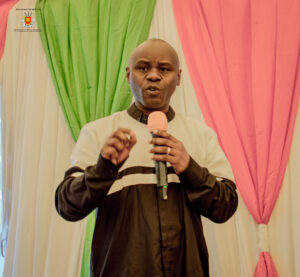
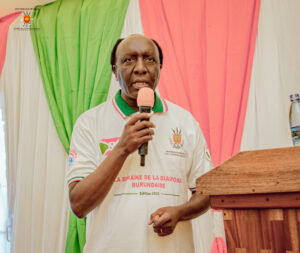
Diaspora Week 2025 was officially launched by the President of the Republic of Burundi, His Excellency Évariste Ndayishimiye on July 29 in Bujumbura. During a moralization session dedicated to members of the diaspora, the Head of State emphasized the vital importance of this community in the country’s development. He particularly called on Burundian intellectuals, inviting them to break with certain mindsets inherited from the past, to actively engage in work, to increase their productivity, and to put their talents at the service of the nation.
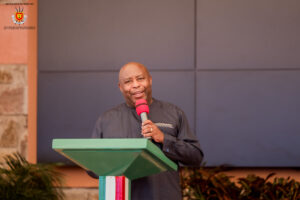
As part of this effort to strengthen ties between Burundi and its diaspora, the President announced the upcoming creation of a special service within the Presidency that will be entirely dedicated to issues related to the diaspora. He also mentioned the upcoming establishment of an Agency to fight against Corruption and Embezzlement, emphasizing that these scourges are seriously hampering the country’s economic growth. For him, Burundi’s development inevitably requires national unity and exemplary governance.
The afternoon of July 29 was marked by a series of presentations illustrating the growing involvement of the diaspora in development efforts. Among them, the presentation by Fablice Manirakiza, representative of the company Ubaka Nation, attracted attention. He presented the progress of the project to rebuild the Central Market of Bujumbura, noting that the imminent signing of the construction contract will mark the start of work.
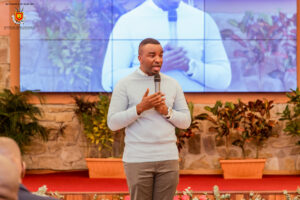
Mrs. Jeanine Niyonkuru, Director General of Planning at the Ministry of Finance, then discussed the essential role that the diaspora plays in the implementation of the country’s economic policies. Her presentation provided a better understanding of how the contributions of Burundians abroad fit into the country’s overall national strategy.
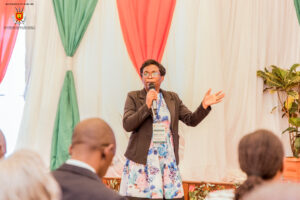
On July 30, discussions continued with, among others, a presentation by Ambassador Salomé Ndayisaba, Director of Diaspora Affairs at the Ministry of Foreign Affairs and Development Cooperation. She presented an overview of the national policy on the diaspora, emphasizing the need to build trust, strengthen unity and cohesion, and better leverage financial transfers. To this end, she stressed the importance of establishing effective mechanisms for tracking and channeling funds sent by Burundians living abroad.
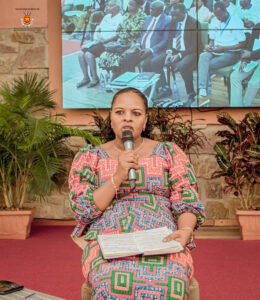
The economic contribution of the diaspora was also highlighted by Mr. George Ntangorane, Director of Studies at the Bank of the Republic of Burundi. He revealed that personal transfers, mostly from the diaspora, accounted for 2.57% of GDP in 2023, with the ambition of increasing this to 5% in 2040 and then to 10% in 2060, in line with the objectives of Vision Burundi 2060. According to him, this increase in financial flows strengthens the capacity of commercial banks to support investment and growth.
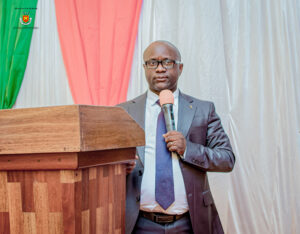
Finally, the issue of social cohesion within the diaspora was addressed by Professor Athanase Bakunda, supported by Mr. Gabriel Rufyiri. Their presentations highlighted the key role of this cohesion in the success of joint initiatives, whether in terms of skills transfer, investment, or solidarity actions. They emphasized that this unity gives greater legitimacy to the actions of the diaspora, both in the eyes of the Burundian authorities and international partners.