 Ministry of Foreign Affairs, Republic of Burundi
Burundi hosted the Regional Forum on Strengthening the Culture of Peace in Central Africa and the Great Lakes Region from 8 to 10 September 2026. Organized with the support of UNESCO, ECCAS and the United Nations system, the forum brought together representatives of States, civil society, women, young people, researchers and the media.
At the opening of the Forum, Dr. François Havyarimana, Minister of National Education and Scientific Research, recalled that “our peoples are no longer waiting for speeches, but for concrete actions for peace.” He stressed that no State can enjoy lasting peace when its neighbours are plunged into instability. According to him, development cannot be achieved without peace founded on justice, education, transparency, sharing and the dignity of every citizen.
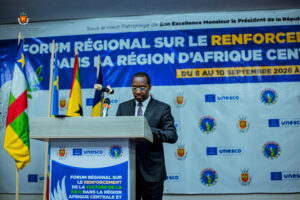
The Minister called on participants to engage in constructive dialogue in order to achieve concrete results. The objectives of the Forum included building a common regional vision of the culture of peace, laying the foundations for a shared roadmap, launching multisectoral initiatives in priority cross-border areas, and strengthening the capacities and synergies of the various peacebuilding stakeholders.
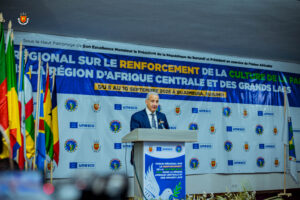
For his part, Ambassador El Fadhel El Farnaway, representing the Director-General of UNESCO and Director of the Africa Priority, stated that peace is first built in people’s minds, particularly through education and dialogue. He called for the culture of peace to become a concrete reality in the region rather than a mere declaration of intent.
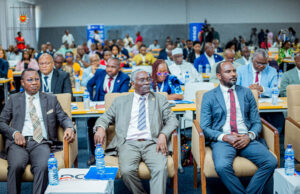
Over the course of three days, participants analyzed the root causes of conflicts in Central Africa. They highlighted the multifaceted nature of these crises, which are linked in particular to governance deficits, unequal access to economic opportunities, community tensions and conflicts over natural resources. The exclusion of young people and women, as well as the spread of disinformation and hate speech, are also aggravating factors.
In response to these challenges, the Forum recommended strengthening citizenship and peace education, promoting local mediation mechanisms, encouraging cooperation on shared resources, and increasing the participation of women and young people in conflict prevention.
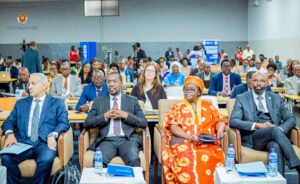
The participants also launched three cross-border pilot initiatives, including the “Komeza Amani” Centre, with the aim of embedding the culture of peace within communities. A regional roadmap was adopted to guide the implementation of these commitments.
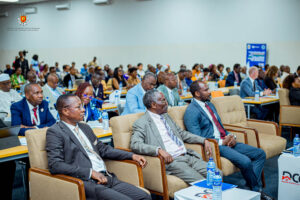
At the closing of the Forum, the delegates reaffirmed their determination to transform borders into spaces of dialogue and solidarity. They also made Bujumbura the starting point for a new regional dynamic based on conflict prevention, social cohesion and the building of lasting peace.